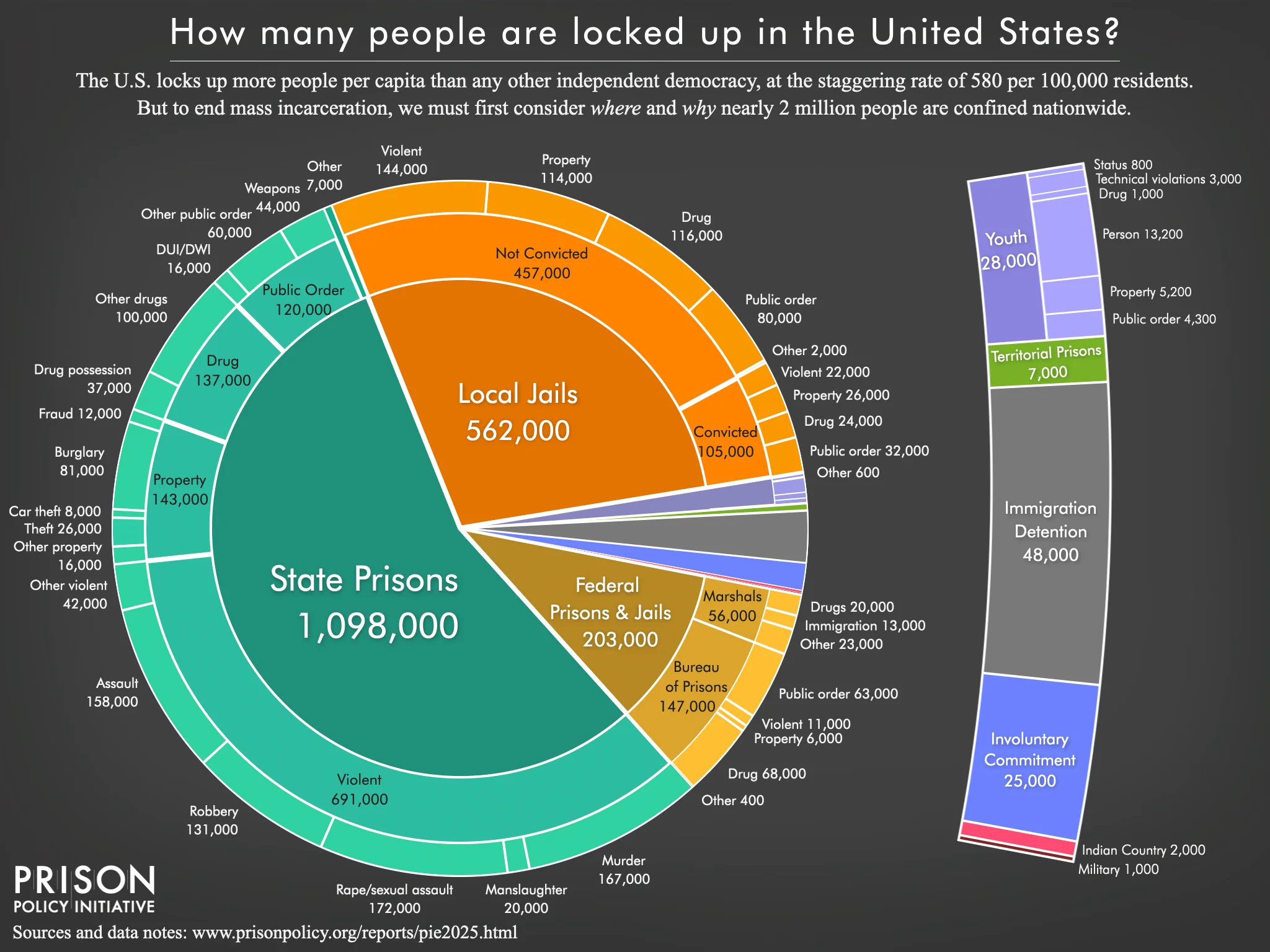
Mental Illness and the Death Penalty in North Carolina A Diagnostic Approach, [PDF] Charlotte School of Law. May, 2007. "[E]ntrenched obstacles within the criminal justice system impede efforts to recognize those with severe mental illness and to treat them fairly."
Mental Health Problems of Prison and Jail Inmates Bureau of Justice Statistics. September, 2006. "Female inmates had higher rates of mental health problems than male inmates (State prisons: 73% of females and 55% of males; Federal prisons: 61% of females and 44% of males; local jails: 75% of females and 63% of males)."
Implementation of "Kendra's Law" Is Severely Biased [PDF] New York Lawyers For The Public Interest, Inc.. April, 2005. "There are major racial, ethnic, and geographic disparities throughout New York State in the implementation of “Kendra’s Law” [,which allows courts to mandate outpatient treatment for some people with mental illness]."
Consensus Project Report Criminal Justice / Mental Health Consensus Project. June, 2002. (project coordinated by the Council of State Governments (CSG))
Mental Health Treatment in State Prisons Bureau of Justice Statistics. July, 2001. (None of the prison systems have any idea how many mentally ill prisoners they have. Using the BJS reports for anything other than whether or not prisoners identified as mentally ill are actually receiving services would be a mistake.)
Prisons and Jails: Hospitals of Last Resort: The Need for Diversion and Discharge Planning for Incarcerated People with Mental Illness in New York, [PDF] Correctional Association of New York and the Urban Justice Center. 1999.
Mental Illness in US Jails: Diverting the nonviolent, low-level offender, [PDF] Center on Crime Communities and Culture. November, 1996.